
How to Identify Low Quality Shisha and BBQ Briquettes
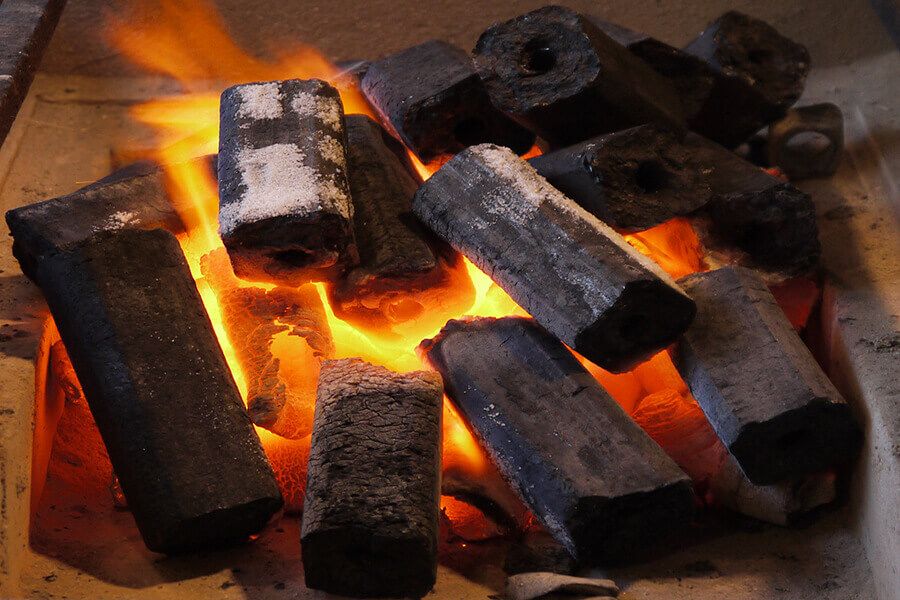
Have you ever experienced using shisha or BBQ briquettes that burn out too quickly, generate inconsistent heat, and leave excessive ash? In industries such as shisha lounges and commercial BBQ operations, these issues go far beyond minor inconvenience—they directly impact operational efficiency, cost management, and overall customer satisfaction.
At first glance, coconut shell charcoal briquettes may appear solid and well-formed. However, visual appearance alone does not guarantee consistent combustion performance. Lower-quality briquettes may ignite easily, but they tend to lose heat rapidly and require frequent replacement, making them inefficient over time.
This article highlights the key indicators of low-quality shisha and BBQ briquettes, explains how unstable burning affects operational performance, and emphasizes the importance of proper production standards in ensuring long-term reliability.
Inconsistent Shape and Weak Structure
For both shisha and BBQ applications, uniformity in shape and structural integrity plays a critical role. Briquettes that vary in size or are easily broken can lead to uneven heat distribution.
Impact on Heat Stability
Smaller pieces tend to burn faster, while larger ones take longer to reach optimal temperature. This imbalance can result in:
- Fluctuating heat levels
- Reduced burn duration
- Poor temperature control
In commercial settings such as shisha lounges and BBQ restaurants, this inconsistency leads to higher consumption rates and increased operational costs.
High Ash Content and Excessive Smoke
Briquettes of lower quality often produce excessive ash, which is typically a sign of incomplete carbonization or inconsistent raw material selection during production.
Why It Matters
High ash content can:
- Restrict airflow
- Decrease heat efficiency
- Affect shisha flavor quality
- Create an unclean BBQ environment
For premium markets, low ash content is essential as it directly influences performance and user experience.
Short Burn Duration and Uneven Combustion
Inferior briquettes often burn irregularly, with some parts turning to ash too quickly while others fail to maintain stable heat.
Operational Impact
This uneven combustion leads to:
- Faster fuel consumption
- Difficulty maintaining consistent temperature
- Frequent refueling during use
Over time, briquettes that seem more affordable initially can actually result in higher total costs, especially in high-volume operations.
The Importance of Production Standards
The quality of shisha and BBQ briquettes is largely determined by how they are produced. High-performance briquettes require:
- Careful selection of coconut shells
- Controlled carbonization processes
- Consistent compression during molding
- Proper moisture and density control
Without strict production standards, achieving stable heat, low ash output, and long burning time is difficult.
Characteristics of High-Quality Coconut Shell Briquettes
Premium briquettes are typically defined by:
- Uniform and precise shape
- High density and durability
- Low ash residue
- Long and stable heat output
- Clean combustion with minimal smoke
These qualities are especially important for distributors and importers targeting performance-driven markets.
Export-Grade Production Standards in Indonesia
To meet international demand, Indonesian briquette manufacturers focused on export markets implement strict quality control across all production stages.
As an export-oriented coconut shell briquette producer, Woodchar Indonesia prioritizes consistency, heat stability, and clean combustion to meet the expectations of shisha lounges and BBQ distributors worldwide.
Through controlled production systems, the briquettes are designed to deliver:
- Stable heat for 90–120 minutes or more
- Low ash output
- Consistent density
- Strong structure with minimal breakage
These are the performance benchmarks expected by serious global buyers.
Conclusion: Low Price Does Not Always Mean Efficiency
Briquettes that burn too quickly and produce unstable heat are often the result of poor production processes. Inconsistent shape, excessive ash, and uneven combustion ultimately lead to higher consumption and reduced efficiency.
Choosing coconut shell briquettes manufactured under strict quality control ensures more stable heat, cleaner burning, and better long-term cost efficiency.