
Key Factors to Consider Before Importing Coconut Shell Charcoal from Indonesia
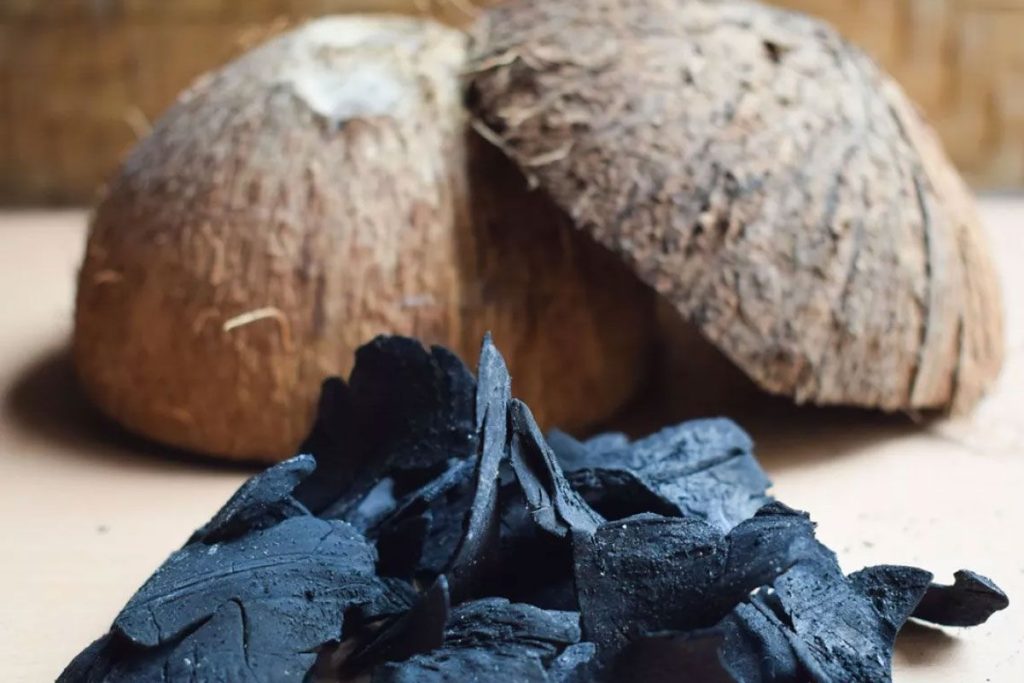
Indonesia is widely recognized as one of the world’s leading producers of coconut shell charcoal. Due to its abundant natural resources and the expertise of local manufacturers, many importers, distributors, and businesses in the shisha and BBQ industries rely on Indonesia as a primary sourcing destination.
However, before committing to importing charcoal from Indonesia, there are several key aspects that need careful evaluation. Understanding these elements helps buyers secure consistent quality, reliable supply, and smoother logistics in the long run.
1. Raw Material Quality
The foundation of high-quality charcoal lies in the raw materials used. In Indonesia, coconut shells are commonly utilized because of their high carbon content, which allows for more stable and long-lasting heat output.
Compared to other materials, coconut shell charcoal typically burns longer and produces less ash. Therefore, it is essential for buyers to verify that suppliers consistently use premium-grade raw materials and follow standardized sourcing practices.
2. Production Standards and Quality Control
The manufacturing process plays a crucial role in determining charcoal performance. Key stages such as carbonization, compression, and drying must be carefully managed to achieve uniform quality.
Buyers often evaluate parameters like ash content, moisture level, briquette density, and heat consistency. Suppliers with strict quality control systems are generally more reliable in delivering consistent results across shipments.
3. Production Capacity and Supply Stability
For importers and distributors, the ability of a supplier to meet demand consistently is critical. An unreliable supply chain can disrupt operations and negatively impact business continuity.
It is important to ensure that the manufacturer has sufficient production capacity and can maintain consistent quality across large-scale orders.
4. Export Experience and Documentation
Another crucial yet sometimes overlooked factor is the supplier’s experience in handling exports. International shipping requires proper documentation, packaging standards, and coordination.
Suppliers with export experience are typically more familiar with logistics requirements, including secure packaging, accurate documentation, and effective communication with overseas clients. This helps minimize delays and reduce potential risks.
Conclusion
Importing charcoal from Indonesia presents a strong opportunity for businesses in the BBQ and shisha sectors. However, selecting the right supplier is essential to ensure consistent quality and long-term reliability.
By carefully evaluating raw materials, production standards, supply capacity, and export expertise, buyers can make more informed and strategic sourcing decisions.